Limit Order Book Trading Strategy: Video, Backtest and Example
In today’s computer-driven, fast-paced market, monitoring the limit order book may help you predict price movements. But what is the limit order book trading strategy?
The limit order book trading strategy is based on the order flow. The limit order book (LOB) is an electronic record maintained by an exchange of all buy and sell limit orders that come in for a given instrument.
In this post, we take a look at the limit order book trading strategy and we end the article
What is a limit order book trading strategy?
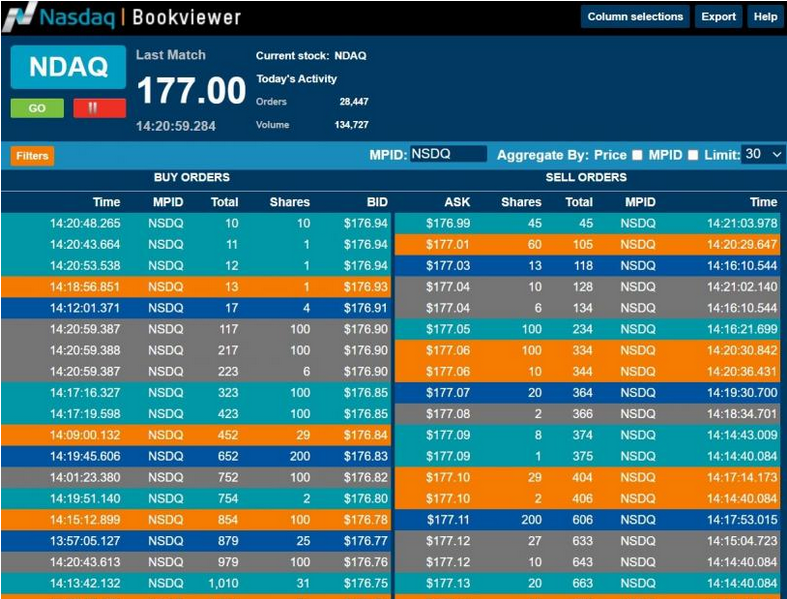
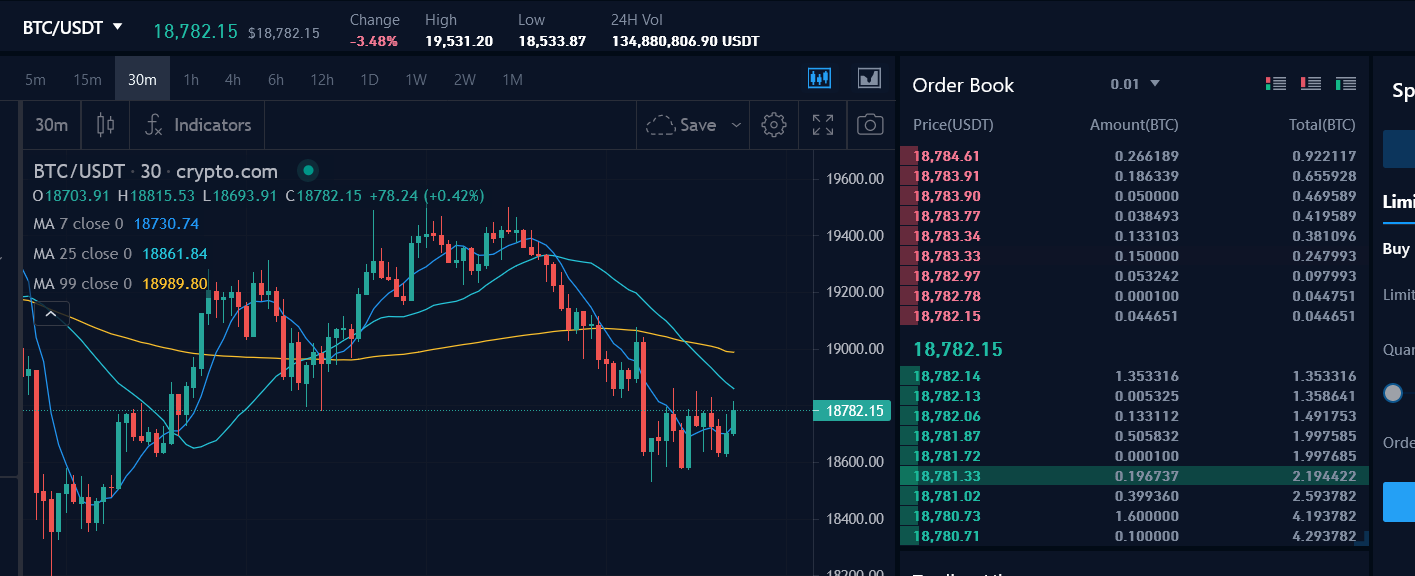
A limit order book (LOB), also known as the central limit order book (CLOB) is an electronic bookkeeping system maintained by an exchange, which shows all buy and sell limit orders that come in for a given instrument — stocks, futures, bonds, cryptocurrencies, etc. The limit order book trading strategy is simply trading based on the order flow.
Each exchange maintains an order book for every security listed on it. Every limit order someone submits to an exchange will be displayed on the order book with the following information:
- The ticker symbol of the security
- The order direction — a buy order or a sell order
- The limit price
- The trade size — in the case of a stock, the number of shares to buy or sell.
The order book is typically grouped into:
- The buy limit orders (Bids) — from the highest to the lowest prices
- The sell limit orders (Asks or Offers) — from the lowest to the highest prices
How do you trade based on limit order books?
To trade based on limit order books, you need to understand the concept of order flow and how it determines supply and demand imbalances. By watching the changes in order flow, you can predict short-term price changes.
If you are a day trader or a scalper, you can trade based on the limit order books by tracking the order flow. For example, if huge sell orders are coming in at lower prices, and the buy side is scanty, there’s a huge chance the price would drop.
How do you use limit orders effectively?
To trade effectively with limit orders, you need to monitor the order book to know the right price to set your limit order. It is best to set your order at a level a little before a huge order. This will help in two aspects:
- Your order would get filled before the huge order
- The huge order would be able to absorb further orders and prevent the price from moving aggressively against your position.
Limit order book example
In an order book, limit orders are arranged by the exchange on a price-time priority, such that the best prices are kept at the top, as follows:
- On the bid (buy limit orders) side, prices are arranged from highest to lowest and according to the time the orders came in.
- On the ask (sell limit orders) side, prices are arranged from lowest to highest and according to time.