

Bearish In Neck Line Candlestick Pattern: (Statistics, Facts, & Historical Backtest)
Looking to trade with a bearish bias?
The Bearish In Neck Line candlestick pattern may be just what you need to spot selling opportunities in the market. This article will delve into this pattern’s characteristics and potential meaning and explore its use in technical analysis.
To make it easy to follow along, we’ll present the information in a question-and-answer format, so you can quickly find the answers to your most pressing questions about the neck line candlestick pattern. So buckle up and get ready to learn about this valuable tool for bearish traders.
What Is a Bearish In Neck Line Candlestick Pattern?
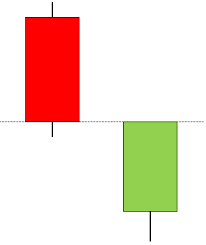
A bearish neckline candlestick pattern is a technical analysis charting pattern that indicates a bearish continuation or a potential selling opportunity. It usually consists of two candlesticks -a long bearish candlestick and a bullish candlestick. The bearish candlestick’s closing price coincides with the bullish candlestick’s closing price. The pattern strongly indicates a downtrend and the possibility that bears (sellers) are gaining dominance.
Identifying The Bearish In Neck Line Candlestick Pattern
To better understand what the pattern looks like let’s show you a graphical presentation of the pattern.
The pattern can look like this:
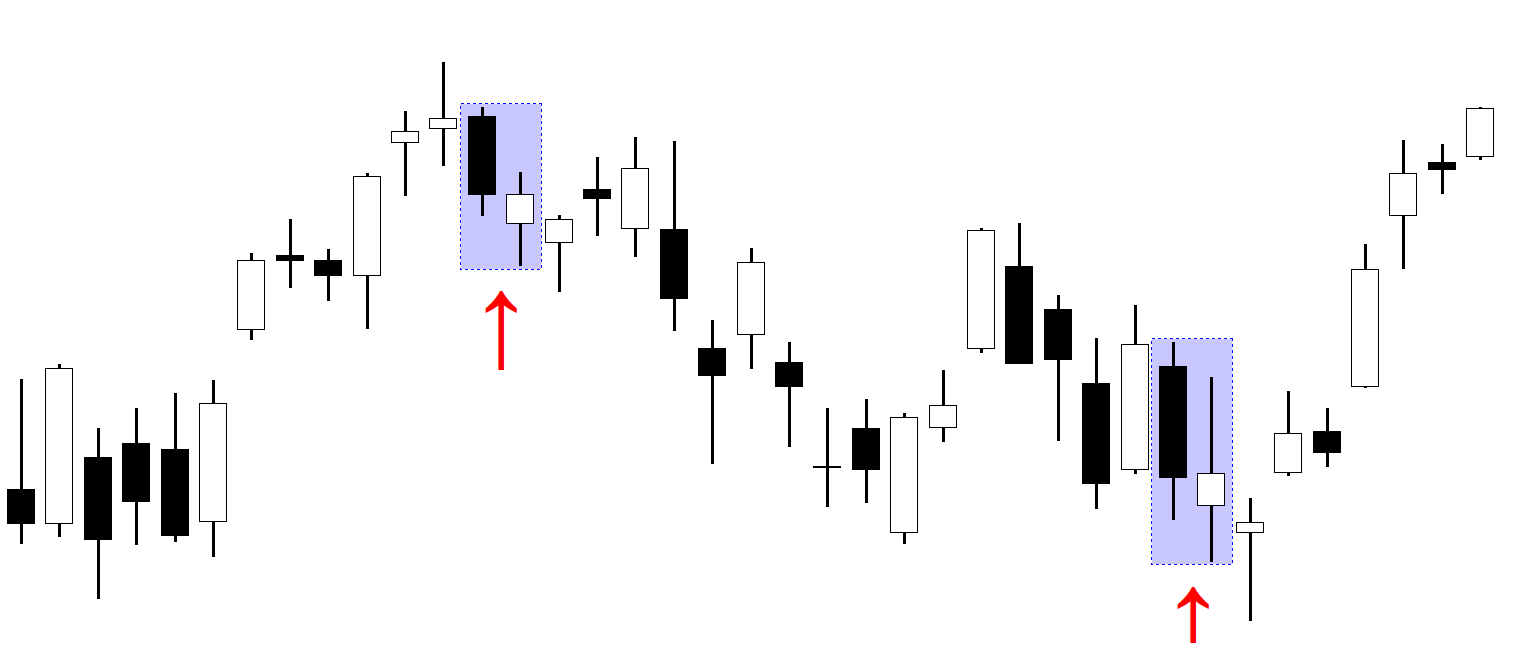
If we look at a chart, we have a couple of patterns below:
Bearish In Neck Line Candlestick Pattern Backtest
We recommend backtesting absolutely all your trading ideas – including candlestick patterns.
In order to backtest candlestick patterns you need to set specific rules and definitions. That requires both time and effort, but don’t worry: it’s already done for you!

We have defined ALL 75 candlestick patterns and put them into strict trading rules that are testable. Each single candlestick pattern is backtested and includes rules, settings, statistics, probabilities, and performance metrics.